
If you’ve ever tried to navigate international trade, you know it can feel like wading through molasses, sticky, slower than you’d like, and often confusing. Enter the douanekantorenlijst, or the customs offices list, which is about to become your new best friend. Think of it as your trading compass in the bureaucratic jungle, ensuring that you don’t get lost in regulations or, worse, slip into a customs nightmare. So buckle up, because we’re diving into what a douanekantoor is and why it’s crucial for anyone involved in trade.
What Is a Douanekantoor?
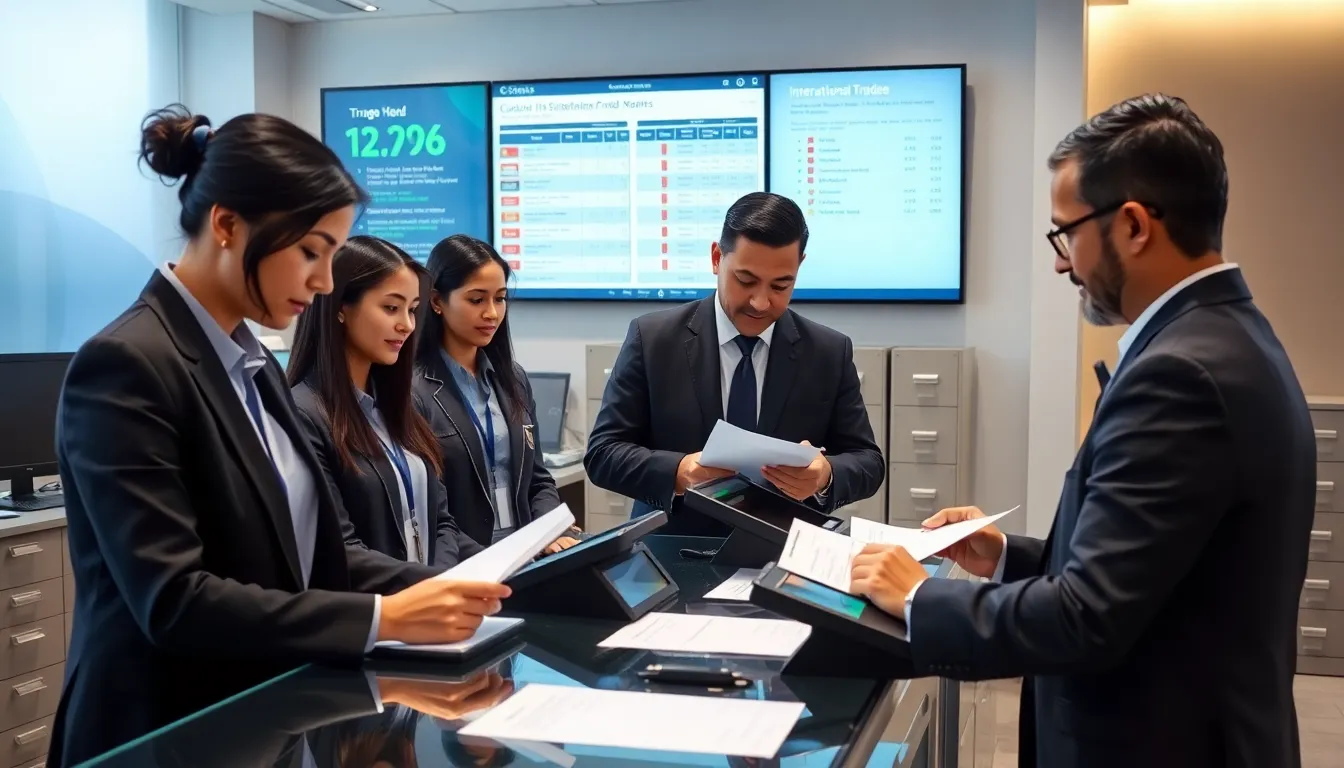
A douanekantoor, simply put, is a customs office that plays a pivotal role in the movement of goods across borders. It’s where all the magic, or the paperwork, happens, ensuring compliance with various import and export regulations. These offices are critical checkpoints, where officials scrutinize shipments, verify documentation, and assess duties and taxes owed.
Think of it as a gatekeeper for international trade, making sure that everything is in order before goods can either enter or leave a country. Understanding the function of a douanekantoor is essential for any trader or business owner who plans to dabble in international waters.
Importance of Douanekantoren in Trade
Douanekantoren are the unsung heroes of international trade. They help maintain the flow of goods, prevent dumping of illegal or unsafe products, and ensure proper tariffs are collected. Without these offices, trade could quickly devolve into chaos.
Consider the complexities of global commerce: regulations vary from country to country, and having a solid understanding of customs procedures can save businesses from hefty fines or delays. The douanekantoor provides a necessary framework to ensure that these rules are adhered to, allowing trade to occur smoothly and efficiently.
In short, they serve as both facilitators and regulators, balancing the need for open trade against national interests.
Components of the Douanekantorenlijst
The douanekantorenlijst isn’t just a boring list of addresses: it contains a wealth of information useful for businesses and traders. Here are some critical components:
- Office Locations: Addresses of customs offices across various regions.
- Contact Information: Phone numbers and emails for office personnel, making it easier to inquire about specific customs regulations.
- Operating Hours: Knowing when these offices are open can save time and prevent missed deadlines.
- Specializations: Some offices might specialize in particular goods or services, allowing for tailored support.
- Online Access: Many lists also provide digital resources, enabling users to quickly find information they need without stepping out of their offices.
Using a complete and updated douanekantorenlijst can streamline many aspects of international trading.
How to Access the Douanekantorenlijst
Accessing the douanekantorenlijst is easier than one might think. Most countries have governmental websites dedicated to customs and trade, where the list is published. Here’s how to go about it:
- Visit Regional Customs Websites: Most regions have their customs authority websites where the douanekantorenlijst is readily available.
- Search Online Databases: Several online platforms aggregate this information for easy access. A quick Google search for your specific country’s customs office will usually yield fruitful results.
- Request physical copies: If digital isn’t your jam, you can sometimes request a printed version from the local customs office.
- Network with Trade Associations: Many trade associations possess updated resources for their members, including insights into customs offices.
By utilizing these methods, anyone can stay updated on the latest information about customs offices, making trade smoother.
Regional Highlights and Key Douanekantoren
Different regions often have standout douanekantoren that are known for their efficiency and expertise. Here are a few highlights:
- Rotterdam Customs Office (Netherlands): Known for its strategic location and efficiency in handling European imports and exports.
- Los Angeles Customs and Border Protection (USA): A major gateway for Asian imports, it boasts a robust system for processing shipments swiftly.
- Hong Kong Customs and Excise Department: Given the region’s trade volume, Hong Kong’s customs are renowned for speed and effectiveness.
Each of these offices has developed best practices specific to their region’s trade needs, making them optimal resources for businesses looking to streamline their operations.
Best Practices for Using the Douanekantorenlijst
To make the most of the douanekantorenlijst, consider these best practices:
- Stay Updated: Customs procedures can change frequently, so it’s crucial to have the latest information.
- Reach Out: Don’t hesitate to contact the douanekantoor for clarifications on regulations or procedures. They’re there to help.
- Use Official Sources: Always refer to government or official websites to ensure you have accurate data.
- Cross-Check Information: If you’re working in multiple regions, verify details against their respective customs lists.
- Engage in Continuous Learning: Participating in workshops or training sessions can provide further insights into utilizing douanekantoren effectively.
By following these practices, traders can navigate the often murky waters of international trade more confidently.