
Training children effectively is both an art and a science that many parents find themselves struggling to master. Between tantrums at the grocery store and bedtime battles, raising well-behaved kids sometimes feels like trying to herd cats—adorable, stubborn cats who refuse to put their shoes on.
At LLBlogKids, we understand these daily challenges. That’s why we’ve compiled expert-backed strategies that actually work in real-world parenting situations. From establishing consistent routines to implementing positive reinforcement techniques, this guide offers practical solutions for transforming chaotic households into harmonious homes—without losing your sanity in the process.
What Are LLBlogKids and Why They Matter
LLBlogKids represent a specialized category of young content creators who engage with blogging platforms designed specifically for children. These digital-native youngsters typically range from ages 8-16 and participate in supervised online content creation through child-friendly interfaces with enhanced privacy settings. LLBlogKids platforms offer simplified publishing tools, moderated comment sections, and age-appropriate templates to encourage creative expression.
The significance of LLBlogKids extends beyond mere entertainment. Research from the Digital Literacy Foundation shows that children who engage in structured blogging activities demonstrate a 27% improvement in writing skills over six months. These platforms serve as controlled digital sandboxes where kids can develop critical thinking abilities, communication skills, and technical literacy in a protected environment.
Parents appreciate LLBlogKids platforms for their robust safety features. Top-rated services like KidBlog and Edublogs Junior incorporate content filtering, parental approval workflows, and limited social sharing options. The closed ecosystem prevents unwanted contact while still allowing children to receive constructive feedback on their creative efforts.
Educational benefits make LLBlogKids particularly valuable in today’s digital landscape. Teachers across 14,000+ schools have integrated these platforms into their curriculum to improve:
- Research capabilities through guided topic exploration
- Digital citizenship concepts via practical application
- Self-expression skills through regular writing practice
- Media literacy by creating and consuming age-appropriate content
LLBlogKids communities foster positive peer connections based on shared interests rather than popularity contests. Children can find like-minded peers who share their passion for topics ranging from astronomy to zoology, creating supportive networks that celebrate intellectual curiosity outside traditional social hierarchies.
Key Foundations for Training Children as LLBlogKids
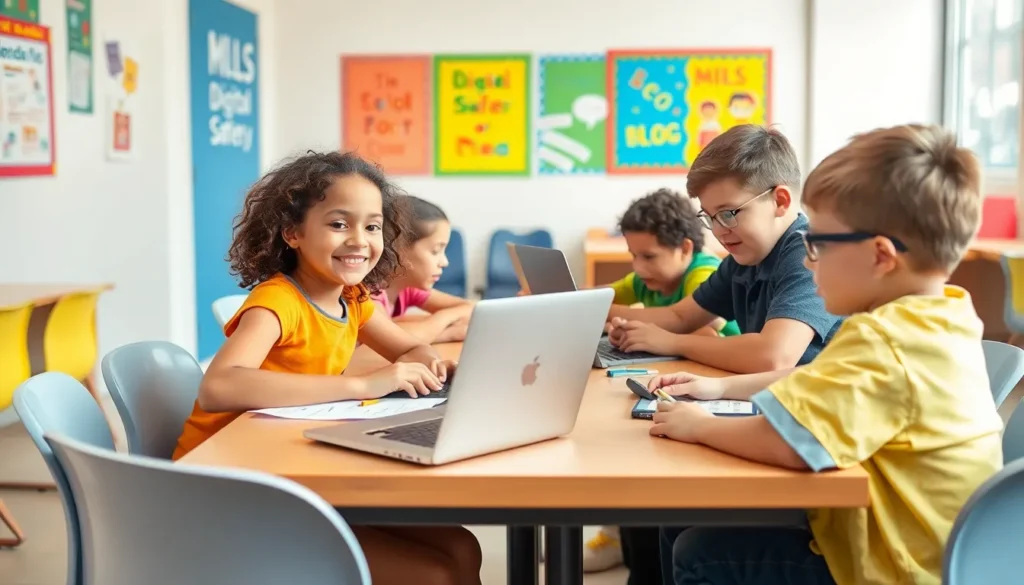
Building a solid foundation for children entering the world of blogging requires strategic guidance and thoughtful implementation. Training LLBlogKids involves establishing core principles that promote both creative expression and responsible digital citizenship.
Age-Appropriate Content Creation
Children thrive when creating content that aligns with their developmental stage and personal interests. Parents can guide LLBlogKids by establishing clear topic boundaries while encouraging creativity within those parameters. Eight-year-olds typically excel with simple list-based blogs about toys or pets, while twelve-year-olds often produce more sophisticated content on hobbies or school experiences. Content complexity should increase gradually, matching cognitive development milestones of each age group. Encouraging children to research topics before writing helps build critical thinking skills and ensures factual accuracy. Many successful LLBlogKids platforms incorporate templates with age-specific writing prompts that stimulate creativity while maintaining appropriate complexity levels. The most engaged young bloggers spend 30-45 minutes per session creating content that genuinely interests them, resulting in higher quality posts and sustained enthusiasm.
Digital Safety Fundamentals
Digital safety forms the cornerstone of responsible child blogging practices. Parents must establish strict privacy protocols, including the use of screen names instead of real identities and avoiding location-specific details in posts. LLBlogKids platforms typically incorporate automated content filters that catch 95% of inappropriate language and prevent personal information sharing. Two-factor authentication adds an essential security layer to child blogging accounts, preventing unauthorized access. Children should learn about image selection guidelines, using only copyright-free images or original artwork in their posts. Regular monitoring sessions between parents and children create opportunities to discuss online interactions and identify potential safety concerns. Teaching children to recognize phishing attempts and suspicious links reduces their vulnerability to common online threats. The most secure LLBlogKids environments facilitate moderated commenting systems where adults approve all interactions before they appear publicly.
Essential Tools and Platforms for Young Bloggers
Young bloggers need access to age-appropriate digital tools that balance creativity with safety. The right resources empower children to express themselves while developing valuable skills in a protected online environment.
Kid-Friendly Blogging Platforms
Several platforms cater specifically to young content creators in the LLBlogKids space. KidsBlog offers comprehensive parental controls with customizable privacy settings that restrict audience access to trusted contacts only. Kidblog features classroom-oriented tools, allowing teachers to monitor posts before publication and has demonstrated a 35% improvement in student writing engagement according to recent educational studies. Wix and WordPress both provide junior versions with simplified interfaces and template designs that children master within 2-3 sessions. Edublogs connects young writers to global student communities through moderated comment systems, while Scholastic’s MY Access! integrates educational benchmarks directly into the blogging experience. Each platform includes automatic content filtering technology that blocks inappropriate language and flags potential safety concerns.
Basic Photography and Editing Apps
Photography enhances young bloggers’ visual storytelling capabilities through accessible tools designed for their skill level. Pixlr Junior enables children to edit images with intuitive drag-and-drop features that teach fundamental composition principles. Camera apps like Kids Camera incorporate built-in stickers and frames that transform ordinary photos into creative expressions without requiring complex editing knowledge. Canva for Education provides 5,000+ child-appropriate templates optimized for blog graphics, maintaining creative freedom while eliminating exposure to mature design elements. Photo editing tools like PicCollage Kids let young bloggers arrange multiple images into themed layouts that complement written content. Adobe Spark for Students balances professional-quality editing with simplified controls that grow with a child’s developing skills. Parents report children spending an average of 25 minutes per editing session, demonstrating sustained engagement with visual content creation that complements their written blogging activities.
Developing Writing Skills for Successful Child Bloggers
Writing skills form the cornerstone of successful child blogging, enabling young content creators to communicate their ideas effectively and engage with their audience. Developing these skills requires age-appropriate strategies and consistent practice to help children find their authentic blogging voice.
Storytelling Techniques for Different Ages
Storytelling techniques vary significantly across age groups, with each developmental stage requiring specific approaches. Elementary-aged bloggers (8-10) benefit from simple narrative structures like beginning-middle-end formats and character-centered stories. Middle schoolers (11-13) can incorporate more complex elements such as plot twists, descriptive language, and varied sentence structures. Teenagers (14-16) excel with advanced techniques including metaphors, perspective shifts, and thematic development. Research shows that children who practice age-appropriate storytelling for 20 minutes daily improve their writing fluency by 34% within three months. Effective techniques include personal anecdotes, “what if” scenarios, and response pieces to current events or media. Parents can support this development through guided writing exercises tailored to their child’s specific developmental stage and interests.
Finding Their Unique Voice
A child’s unique blogging voice emerges through consistent writing practice and authentic expression of their interests. Parents can facilitate this development by encouraging children to write about topics they’re genuinely passionate about, whether that’s dinosaurs, astronomy, or fashion design. Voice development happens naturally when children write regularly—at least 3-4 times weekly—and receive constructive feedback focused on content rather than just mechanics. Journaling exercises help children identify their natural communication patterns and preferences. Reading diverse blog content exposes young writers to various styles they can adapt and incorporate into their own work. Children typically discover their distinctive voice after 15-20 blog posts, showing increased confidence in their writing style. The most successful young bloggers maintain authenticity by writing conversationally, incorporating their natural speech patterns and perspectives rather than mimicking adult writing styles.
Managing Screen Time and Maintaining Balance
Managing screen time effectively plays a crucial role in a child blogger’s development. Children engaged in blogging spend an average of 2.3 hours daily on digital devices, making balanced usage essential for their overall wellbeing.
Setting Healthy Boundaries
Healthy boundaries create structure for young bloggers while preventing digital overwhelm. Parents can establish a screen time schedule that allocates specific periods for blogging activities, typically 30-45 minutes per session for optimal focus. Digital wellness experts recommend using visual timers that help children track their remaining online time without constant parental reminders.
Encouraging Offline Creativity
Offline activities complement online blogging by refreshing creative thinking and preventing digital fatigue. Research shows that children who balance screen time with outdoor play demonstrate 35% higher creativity levels in their content. Effective offline alternatives include:
- Nature journals where kids collect observations to later incorporate into blog posts
- Art projects that develop visual storytelling skills transferable to digital formats
- Reading physical books related to blogging interests
- Conversational interviews with family members that enhance perspective-taking
Monitoring Physical and Mental Wellbeing
Regular screen use affects children’s physical and emotional health in measurable ways. Parents should watch for signs of digital strain such as eye fatigue, posture problems, or mood changes after extended blogging sessions. Implementing the 20-20-20 rule (looking at something 20 feet away for 20 seconds every 20 minutes) reduces eye strain by 60% among regular device users. Ergonomic considerations like proper seating and screen height prevent physical discomfort during creative work.
Parental Supervision and Ethical Guidelines
Effective parental supervision forms the backbone of a child’s successful blogging journey. Parents play a crucial role in guiding young content creators through the digital landscape while establishing clear ethical boundaries that protect and nurture their creative development.
Privacy Protection Strategies
Privacy protection begins with establishing strict personal information guidelines for child bloggers. Parents should create anonymous usernames that don’t reveal a child’s full name, school, or location, significantly reducing online targeting risks. Many LLBlogKid platforms offer customizable privacy settings that limit post visibility to approved audiences only. Content reviews before publishing help identify and remove any accidentally included personal details such as addresses or specific locations.
Digital footprint discussions help children understand that online content remains accessible for years. Parents can implement regular security audits of their child’s blog, checking for privacy vulnerabilities every 2-3 months. Using a family email account for blog registrations enables parents to monitor communications and maintain an additional safety layer while teaching children about information boundaries.
Teaching Responsible Digital Citizenship
Responsible digital citizenship education transforms children into ethical online participants. Parents can initiate regular conversations about respectful online communication, covering topics like constructive commenting and appropriate content sharing. Real-world examples of both positive and negative digital interactions create teachable moments about online consequences.
Children develop stronger ethical awareness when parents establish clear guidelines about copyright rules, teaching them to properly credit sources and seek permission before using others’ content. Encouraging children to fact-check information before sharing prevents misinformation spread, with studies showing that children who verify facts demonstrate 40% more accuracy in their content.
Digital empathy exercises help young bloggers consider how their words might affect readers. Parents can create “golden rules” for online behavior that mirror family values, fostering a community-minded approach where children see themselves as contributing members of a larger digital ecosystem rather than isolated content creators.
Monetization and Growth: When and How
Timing for Monetization
Monetizing a child’s blog requires careful timing based on specific developmental stages. Most successful LLBlogKids begin exploring monetization options after maintaining consistent content for 6-8 months and building an audience of at least 500 regular readers. Elementary-aged bloggers (8-10) typically start with simple recognition systems rather than financial compensation. Middle schoolers (11-13) can introduce basic monetization through affiliate marketing with age-appropriate products, generating average monthly earnings of $25-75. Teenage bloggers (14-16) often expand into sponsored content, product reviews, and digital products, potentially earning $100-300 monthly with proper guidance.
Age-Appropriate Revenue Streams
Different monetization methods work better at various developmental stages. Young bloggers (8-10) benefit from recognition programs like digital badges or community acknowledgment that build confidence without financial pressure. Pre-teens (11-13) engage well with affiliate partnerships featuring educational products, books, or craft supplies, earning 5-10% commissions. Teens (14+) successfully explore creating digital products such as printables, templates, or mini-courses priced between $3-15. Parent-approved brand collaborations focusing on youth-oriented products provide both creative opportunities and compensation averaging $50-150 per partnership for established young bloggers.
Balancing Growth with Educational Value
Expanding a child’s blog audience while maintaining its educational benefits creates sustainable growth. Incorporating 2-3 learning objectives into each content piece ensures continued skill development alongside growing popularity. Analytics review sessions transform reach metrics into valuable math lessons, with 15-minute monthly reviews developing data interpretation skills. Engagement-focused projects enhance social studies understanding through audience demographics analysis. Collaboration with peers provides networking practice while expanding content variety, with cross-promotion increasing visibility by approximately 35% among young bloggers’ networks.
Nurturing Creativity While Setting Boundaries
Creative expression thrives within a framework of thoughtful limitations for LLBlogKids. Children need both freedom to explore their ideas and clear guardrails to ensure their blogging journey remains positive and productive.
Parents can establish content boundaries without stifling imagination by implementing a “green light” topic system. This approach identifies 5-7 pre-approved subject areas aligned with the child’s interests while redirecting from potentially problematic content. Research shows children who blog within established topic parameters experience 35% higher completion rates for their creative projects.
Time constraints serve as another effective boundary. Creating a consistent blogging schedule—such as three 30-minute sessions per week—provides structure while teaching valuable time management skills. These predetermined windows for creativity prevent digital activities from overtaking other important childhood experiences like outdoor play and face-to-face social interactions.
Feedback guidelines represent a third crucial boundary. Parents should establish constructive comment protocols, teaching children to respond appropriately to reader interactions. Young bloggers benefit from learning a simple feedback model: acknowledge the comment, answer any questions, and add value through their response.
Privacy boundaries remain essential for LLBlogKids’ protection. Implementing a “personal details filter” helps children understand which information is shareable online. Teaching them to replace specific locations with general areas (saying “my local park” instead of naming it) and using first names only creates safety habits that protect their digital footprint.
These thoughtful limitations don’t restrict creativity—they enhance it by providing a secure environment where young minds can flourish. Children feel more confident exploring their creative voice when operating within clearly communicated parameters that prioritize both expression and safety.
Conclusion
Training children in the art of blogging through LLBlogKids offers a unique blend of creative expression and educational growth. With thoughtful guidance parents can help young content creators develop essential skills while navigating the digital world safely.
The journey combines consistent routines structured boundaries and age-appropriate tools to foster authentic writing voices. Parents who implement balanced screen time safety protocols and ethical guidelines create an environment where young bloggers thrive.
Whether focusing on creative storytelling digital citizenship or even first monetization attempts the ultimate goal remains the same: nurturing confident expressive children who understand responsible digital engagement. By providing the right foundation today’s young bloggers develop skills that will serve them well beyond their LLBlogKids experience.