
Ever wondered what makes your internet tick? You might be surprised to find that it’s not just a bunch of tiny elves working tirelessly behind the scenes. It’s something much simpler yet infinitely more complex: IP addresses. Grab your proverbial magnifying glass, because we’re about to dive deep into the world of IPs and discover how they keep your devices connected. And don’t worry, it won’t be as boring as watching paint dry.
What Is an IP Address?
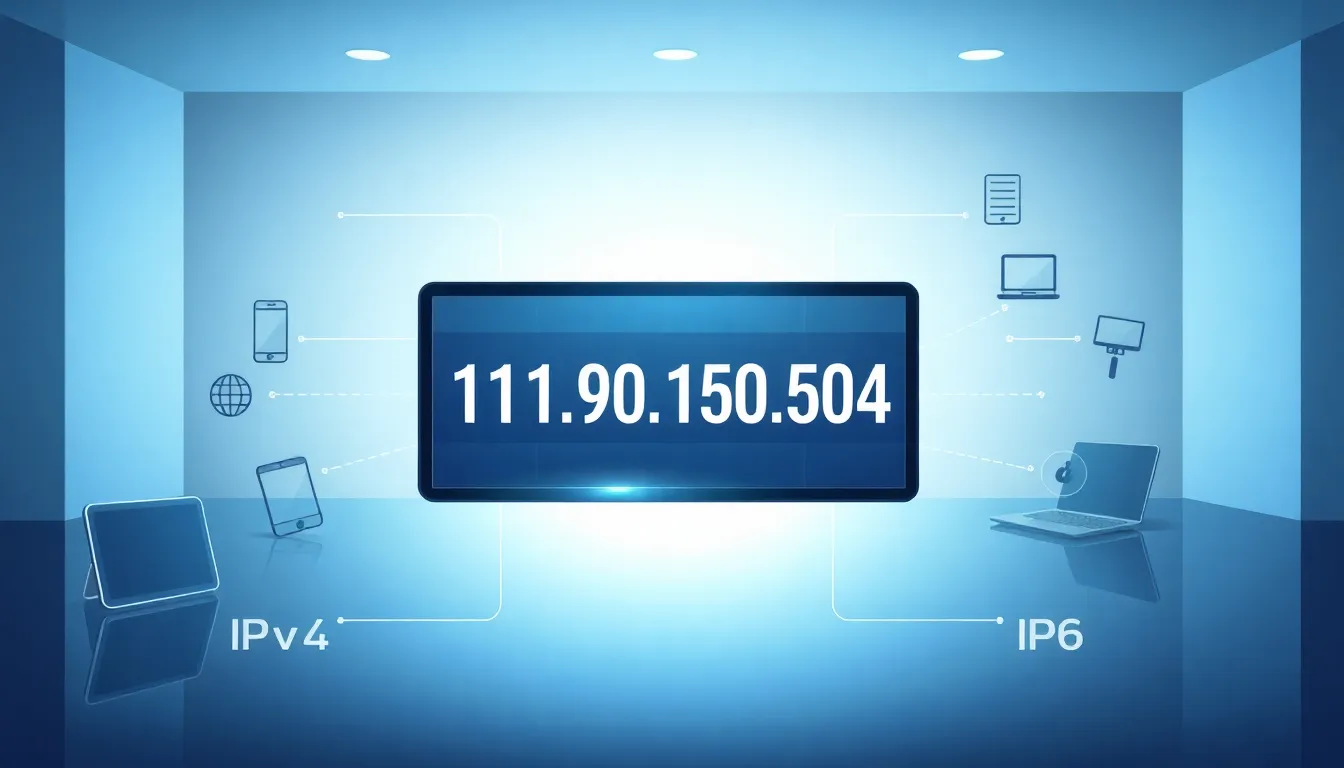
An IP address, short for Internet Protocol address, is like your home address but for your internet-enabled devices. Just as your house number tells the postman where to deliver your mail, an IP address tells the internet where to send the data you request. Every device connected to the internet has a unique IP address, ensuring that the information it sends and receives goes to the correct destination. This can range from your smartphone streaming cat videos to your laptop downloading the latest software update.
Generally, IP addresses come in two flavors: IPv4 and IPv6. IPv4 addresses are the traditional 32-bit format, looking something like 192.168.1.1. On the flip side, IPv6, the new kid on the block, features a more complex 128-bit format designed to accommodate the vast number of devices now accessing the internet, which means fewer network traffic jams.
Types of IP Addresses
IP addresses can be sorted into several types, and knowing these is crucial in navigating the internet landscape:
- Public IP Addresses: These are used to identify devices on the global internet and can be reached from anywhere. Your Internet Service Provider (ISP) typically assigns these.
- Private IP Addresses: Commonly utilized within local networks, they allow devices to communicate without reaching the broader internet. Think of them as your inner circle, only visible to your local network.
- Dynamic IP Addresses: These reside in a pool assigned by the ISP and change frequently. It’s like borrowing a car: you might have a different one each time.
- Static IP Addresses: These don’t change. They’re permanent and often used by servers hosting websites, allowing users to reliably access a site.
Understanding these types helps clarify not only how traffic flows on the internet but also the roles each type plays in keeping our devices talking to each other smoothly.
Decoding the Structure of an IP Address
An IP address may look like a random sequence of numbers, but it carries a specific structure that is pivotal for routing information. With IPv4, for example, the address is split into four octets separated by dots. Each octet can range from 0 to 255. This division informs routers how to direct packets of information across the network.
For IPv6, the address is structured using hexadecimal notation, grouping sets of four characters separated by colons. This format may appear complicated, but it provides a significantly larger address space, accommodating billions of devices. For instance, an IPv6 address could look like this: 2001:0db8:85a3:0000:0000:8a2e:0370:7334. By understanding this structure, one can appreciate the sophisticated routing technology that makes the internet accessible.
Common Misconceptions About IP Addresses
Even though their critical role in internet functionality, misconceptions about IP addresses abound. Here are a few notable ones:
- Misconception 1: IP addresses are the same as physical addresses. While both serve a similar purpose, IP addresses function within digital ecosystems, whereas physical addresses direct physical mail.
- Misconception 2: A company can have just one IP address. Many organizations use multiple IP addresses to support their operations, especially if they manage a substantial web presence.
- Misconception 3: IP addresses can be traced back to an individual easily. In reality, while general location data can be obtained, pinpointing exact identities often takes significant resources and legal protocols.
By clarifying these misconceptions, individuals become better informed users of technology.
Exploring 111.90.150.504: A Case Study
The IP address 111.90.150.504 presents an illustrative example in this discussion. On a technical note, it seems there’s a typo here, as standard IP addresses use numbers ranging from 0 to 255 in each octet. But, if we were to look at an analogous valid address, the exploration might illuminate insights about geographic regions or ISP assignments involved.
Such an exercise encourages individuals to understand not just the format but the broader implications of how IP addresses engage with global data traffic. For instance, analyzing how this address might resolve can showcase the efficiency of network routing and the data accessibility across different devices.
How to Verify and Troubleshoot IP Addresses
Occasionally, individuals may encounter issues that require verification or troubleshooting of an IP address. To check an IP address, users can visit various websites that reveal their public IP in real-time. For private IP addresses, a quick command in the command prompt, “ipconfig” for Windows or “ifconfig” for Mac and Linux, will display pertinent information.
If connection problems arise, it’s beneficial to cycle the device off and on, resetting its IP address in the process. Further troubleshooting may involve checking router settings, ensuring no conflicts occur within private networks, or even reaching out to one’s ISP for assistance with persistent issues. Understanding these procedures equips users to navigate common pitfalls.
Best Practices for IP Address Management
Effective IP address management is crucial in today’s digital landscape. Here are several best practices to ensure efficient use:
- Document Your Assignments: Keep a detailed log of which devices are assigned which IP addresses. This not only helps in troubleshooting but also in planning for future expansions.
- Carry out DHCP: Dynamic Host Configuration Protocol automates the IP address assignment process, reducing manual errors and streamlining network management.
- Regular Audits: Periodically check the IP addresses in use to avoid conflicts and ensure optimal performance.
- Education: Keep yourself and your team updated on IP addressing changes and best practices to maintain strong network hygiene.
With proper management, organizations can enhance connectivity and reduce potential disruptions.